This video discusses a major shift in the stock market, marking the end of a two-decade era of public equity contraction (0:30-1:20). For years, companies reduced share counts through buybacks and private acquisitions, but the rise of artificial intelligence has forced them to pivot to becoming „asset-heavy“ firms that require massive capital for infrastructure (6:32-7:05).
Key Takeaways:
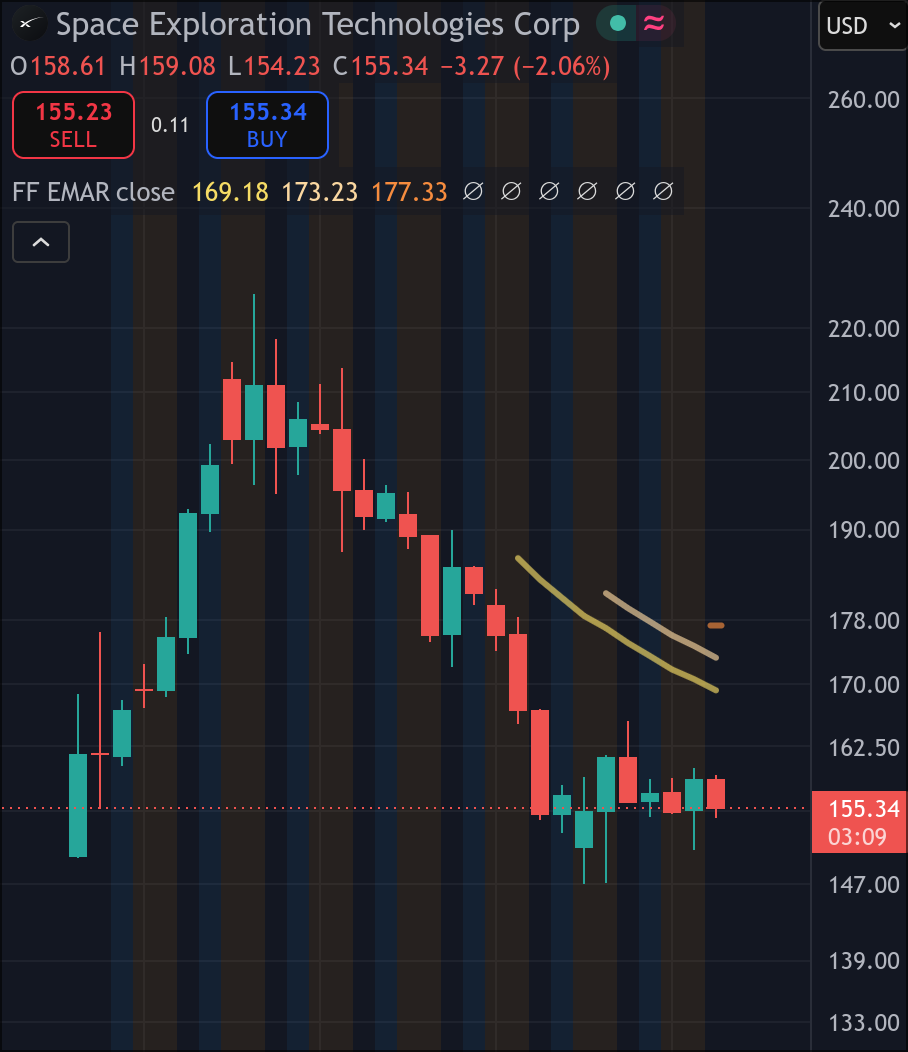
- SpaceX IPO: The company recently went public in the largest IPO in history, valued at $1.78 trillion, though it sold a very small slice of the company (around 4-5%) (9:32-10:27). The deal was structured to severely limit shareholder rights, including voting and litigation (11:00-12:05).
- Wall Street Humiliation: Major investment banks were sidelined, accepting lower fees and reduced roles in a deal where Elon Musk dictated the price, a reversal of traditional power dynamics (13:29-15:00).
- The Capital Hunt: The massive cost of AI infrastructure (data centers, chips, power) is driving a wave of new equity issuance from tech giants like Alphabet and Meta, moving from buybacks to aggressive fundraising (27:00-28:20).
- Retail Involvement: A significant portion of the SpaceX IPO was allocated to retail investors, with brokers using restrictive „anti-flipping“ rules to keep them locked in while index funds are forced to buy later (30:58-33:25).
Ultimately, the video argues that the stock market is shifting back to its original function: serving as a „pawn shop“ for capital-intensive companies to fund their expansion (38:51-39:35).